
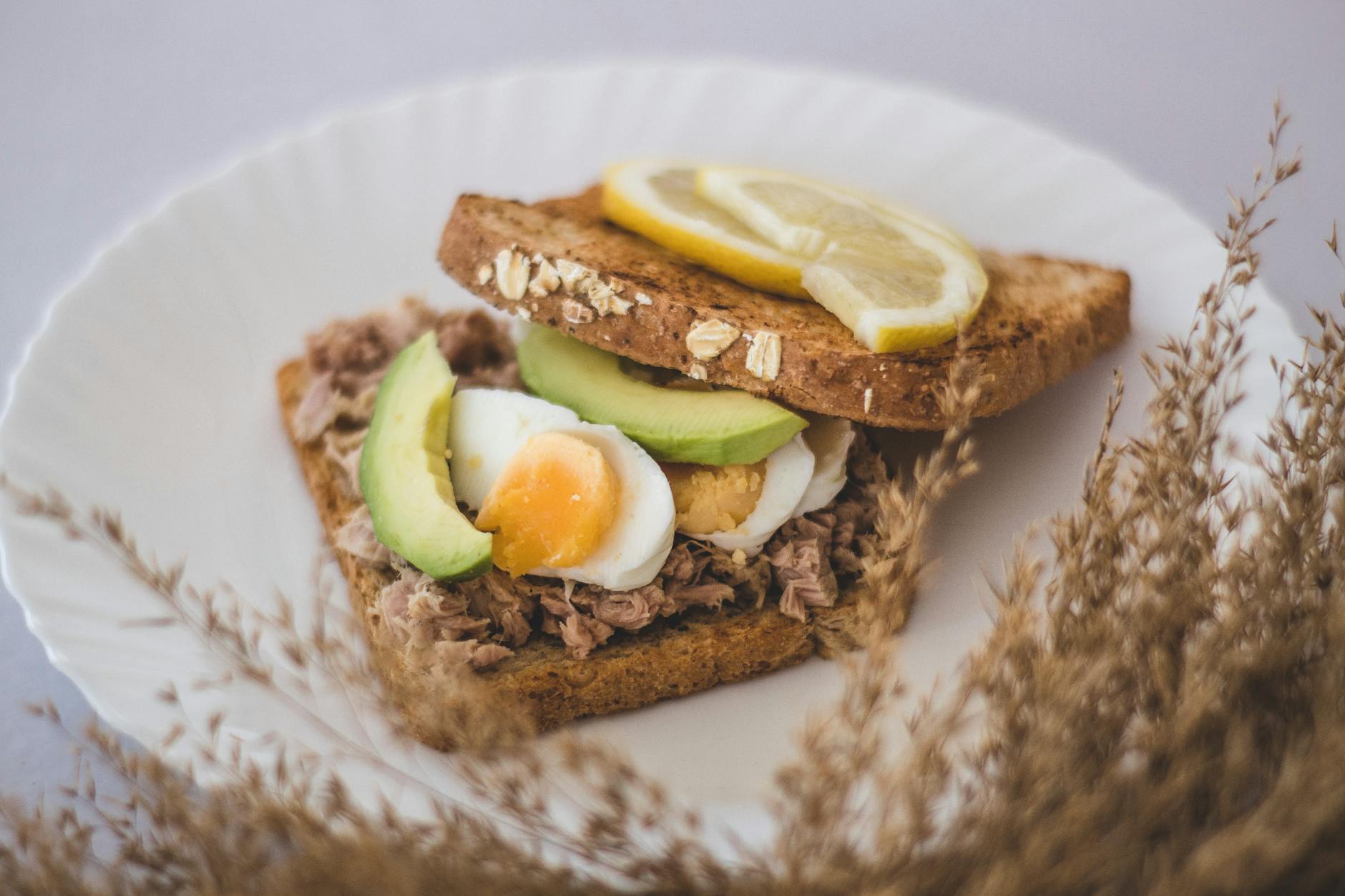
Meal prep can feel much more manageable when you rely on a few staple meals, one versatile sauce, and a flexible routine that fits real life.
When life gets busy, eating well often becomes one more decision you have to make—multiple times a day. Meal prep doesn’t have to mean strict rules, identical containers, or spending your whole Sunday cooking.
A simpler (and more sustainable) approach is to build a small set of reliable “staple” meals, cook in bulk when you can, and create variety by mixing and matching base components—especially versatile sauces.
This guide shares an evergreen, year-round system you can adapt to your preferences (including gluten-free, dairy-free, vegetarian, or higher-protein options) while keeping things realistic. For more insights on how hypnotherapy can support your weight loss journey, check out our blog on how losing weight is easier with hypnotherapy.
Note: This article is general education and not medical or nutrition advice.
Why meal prep can make healthy eating easier (without being perfect)
Meal prep works less because it’s “motivating”, and more because it reduces friction.
When nourishing options are already cooked (or half-prepped), you’re less likely to default to whatever is quickest—especially when you’re tired, stressed, or short on time.
A practical meal-prep routine also makes it easier to follow the principles of the Australian Dietary Guidelines—including eating a variety of vegetables, choosing wholegrains, and including lean proteins and healthy fats in appropriate portions.
Helpful mindset shift: You’re not “sticking to a diet”. You’re building a kitchen setup that supports the choices you want to make more often.
The simple meal-prep system (that doesn’t require endless recipes)
1) Pick 3–4 staple meals you can repeat
You don’t need dozens of recipes. Start with a small rotation you actually enjoy.
Aim for staples that are:
- Flexible (easy to change flavours)
- Freezer-friendly
- Veg-forward (easy to add extra vegetables)
- Balanced (protein + fibre + colour)
2) Cook in bulk—and freeze in portions
Bulk cooking is one of the most efficient ways to reduce weeknight effort.
Freezing tip: Freeze bases (like sauces, curries, chilli, soups), then cook fresh “carbs” as needed (pasta, rice, quinoa, potatoes) to keep texture and variety.
3) Build variety by mixing and matching components
Variety doesn’t have to mean new recipes. It can mean new combinations.
Think in building blocks:
- A base (sauce/curry/chilli)
- A carrier (pasta, rice, baked potato, wraps, salad)
- Extra veg (fresh, frozen, or pre-cut)
- A finisher (yoghurt, herbs, cheese, lemon, chilli, seeds)
4) Use one “core sauce” across multiple meals
A single versatile sauce (like a tomato-based mince-and-veg sauce) can turn into many different meals—without feeling repetitive.
This is the key idea: it’s not about one perfect recipe—it’s about a reusable concept.
3–4 staple meal ideas (choose what suits your household)
Below are staples that work well for many people because they’re adaptable, budget-friendly, and easy to scale.
Staple 1: A versatile tomato-based “core sauce” (bolognese-style)
This can be made with:
- Beef, chicken, turkey, pork mince, lentils, or a blend
- Extra vegetables (grated carrot, zucchini, mushrooms, capsicum)
- Beans for extra fibre (e.g., cannellini or kidney beans)
Staple 2: A mild curry base
A curry base can shift flavours quickly—Thai-style, Indian-inspired, or a simple coconut/tomato version.
Easy add-ins:
- Frozen spinach, cauliflower, peas
- Chickpeas or lentils
- Chicken, tofu, or fish (added fresh on the night if you prefer)
Staple 3: Chilli (bean or mince-based)
Chilli is one of the most versatile “batch bases”:
- Works with rice, wraps, baked potatoes, nachos, or as a bowl with salad
- Easy to increase veg and legumes
Staple 4 (optional): Tray-bake protein + vegetables or a hearty soup
If you want a fourth staple, choose one that suits your schedule:
- Tray-bake: roast vegetables + protein (or tofu) for quick mix-and-match meals
- Soup: pumpkin, minestrone, lentil—excellent for lunches and freezing
The ‘core sauce’ concept (a flexible formula you can customise)
Instead of locking into a single spaghetti bolognese recipe, use this base formula.
Core sauce formula
Aromatics: onion + garlic (or shortcut: frozen chopped onion/garlic)
Vegetables (choose 2–4): carrot, zucchini, mushrooms, capsicum, celery, spinach
Protein (choose 1): mince, shredded chicken, tofu crumbles, lentils, mixed beans
Tomato base: canned crushed tomatoes + tomato paste
Flavour: Italian herbs, smoked paprika, cumin, chilli, bay leaf (choose your direction)
Optional “nutrition boosters”:
- Red lentils stirred through (thickens and adds fibre)
- Extra mushrooms for a meatier texture
- Grated veg for picky eaters
Portioning + storage (food safety basics)
Food safety advice can vary by situation, so follow official guidance and use common sense.
Practical habits that help:
- Cool quickly before refrigerating/freezing (don’t leave pots sitting out for hours)
- Freeze in meal-sized portions
- Label with name + date
- Reheat until steaming hot
For detailed guidance, see food safety resources from Food Standards Australia New Zealand (FSANZ).
One batch, many meals: 10 ways to use your core sauce
Use the same base to create variety across the week:
1. Classic pasta (wholemeal or legume pasta if you like)
2. Zucchini noodles or veggie spirals
3. Rice bowl with extra greens
4. Baked potato topper (add yoghurt or cheese)
5. Tacos or wraps with salad and avocado
6. Shakshuka-style (simmer sauce, crack eggs in, cover until cooked)
7. Shepherd’s pie (top with mash and bake)
8. Nachos (add beans, serve with chopped tomato and coriander)
9. Pizza topping (use as a tomato base)
10. Stuffed capsicums (mix sauce with rice/quinoa, bake)
This approach keeps your shopping list short while still feeling like you’re eating different meals.
A simple shopping list (mix-and-match)
Adjust for your dietary needs and household size.
Vegetables (fresh or frozen):
- Onion, garlic
- Carrot, zucchini
- Mushrooms, capsicum
- Baby spinach (fresh or frozen)
Protein/legumes:
- Mince and/or canned lentils/chickpeas/beans
Carbs (choose a few):
- Pasta (wholemeal if preferred)
- Rice or quinoa
- Potatoes or sweet potatoes
- Wraps
Pantry:
- Canned tomatoes, tomato paste
- Olive oil
- Herbs/spices (Italian herbs, paprika, cumin, chilli)
Finishers:
- Greek yoghurt, cheese
- Lemon/lime
- Fresh herbs
A realistic 60–90 minute prep plan
If you’re short on time, this is a straightforward plan:
1. Start the core sauce (big pot)
2. Roast a tray of vegetables while the sauce simmers
3. Cook rice or quinoa (optional)
4. Wash/chop some salad veg (or buy pre-cut)
5. Portion and freeze half the sauce (keep the rest for this week)
Even doing one of these steps can make the week easier.
Common meal-prep obstacles (and what helps)
“I’m too tired to cook.”
Try a half-prep approach: cook only the sauce base, then use microwave rice, bagged salad, and frozen veg.
“I get bored eating the same thing.”
Rotate the carrier and finisher (rice one night, wraps the next; yoghurt and herbs one night, chilli and lime the next).
“I’m on a budget.”
Lean on:
- Frozen vegetables
- Canned tomatoes and beans
- Lentils to stretch mince
“I have a small kitchen.”
One-pot bases (sauce, chilli, curry, soup) minimise dishes and equipment.
Where hypnotherapy and NLP can fit (habits, stress, cravings)
Eating patterns are rarely just about recipes. Stress, sleep disruption, routines, and emotional triggers can all influence food choices. Discover how hypnotherapy for mindful eating can help you manage these influences effectively.
Evidence-based hypnotherapy and NLP-informed coaching are often used as supportive approaches to help people work on areas such as: building more consistent routines. Learn more about how PTSD & chronic stress may be holding you back in life and what can help.
- building more consistent routines
- managing stress responses
- improving sleep (which can influence appetite regulation)
- reducing unhelpful automatic habits (like late-night grazing)
These approaches aren’t a replacement for medical care or individualised nutrition support, and outcomes can vary. However, for many people, learning skills to manage stress and strengthen habits can be a valuable part of long-term lifestyle change.
FAQs
How long do meal-prepped foods last?
It depends on the food and storage conditions. Use reputable food safety guidance, store foods promptly, and when in doubt, throw it out. Freezing meal bases in portions is often the simplest option.
Is frozen food still healthy?
Often, yes. Frozen vegetables and frozen meal bases can help you eat more consistently—especially when time, energy, or budget is limited.
Can meal prep help with weight management?
Meal prep may help some people by making balanced meals easier to access and reducing reliance on highly processed convenience foods. For personalised weight advice, consult your GP or an Accredited Practising Dietitian. Additionally, explore our services to lose weight for more tailored support.
Can hypnotherapy help with emotional eating or cravings?
Clinical hypnotherapy is used by some practitioners as part of behaviour change support (including habit change and stress-related eating). The evidence base varies depending on the issue and the study design, so it’s best viewed as a potentially helpful tool within a broader plan.
What if I have an eating disorder history or complex trauma?
If you’re experiencing symptoms of an eating disorder or complex trauma responses, it’s important to seek support from appropriately qualified health professionals. Hypnotherapy may be used as a complementary approach in some contexts, but specialist assessment and coordinated care are recommended.
Support when you’re ready
If you’d like support with stress, sleep, habit change, or building healthier routines, Make Changes NLP & Hypnotherapy offers evidence-informed hypnotherapy and NLP approaches in Melbourne and online Australia-wide. Feel free to contact us for more information.