
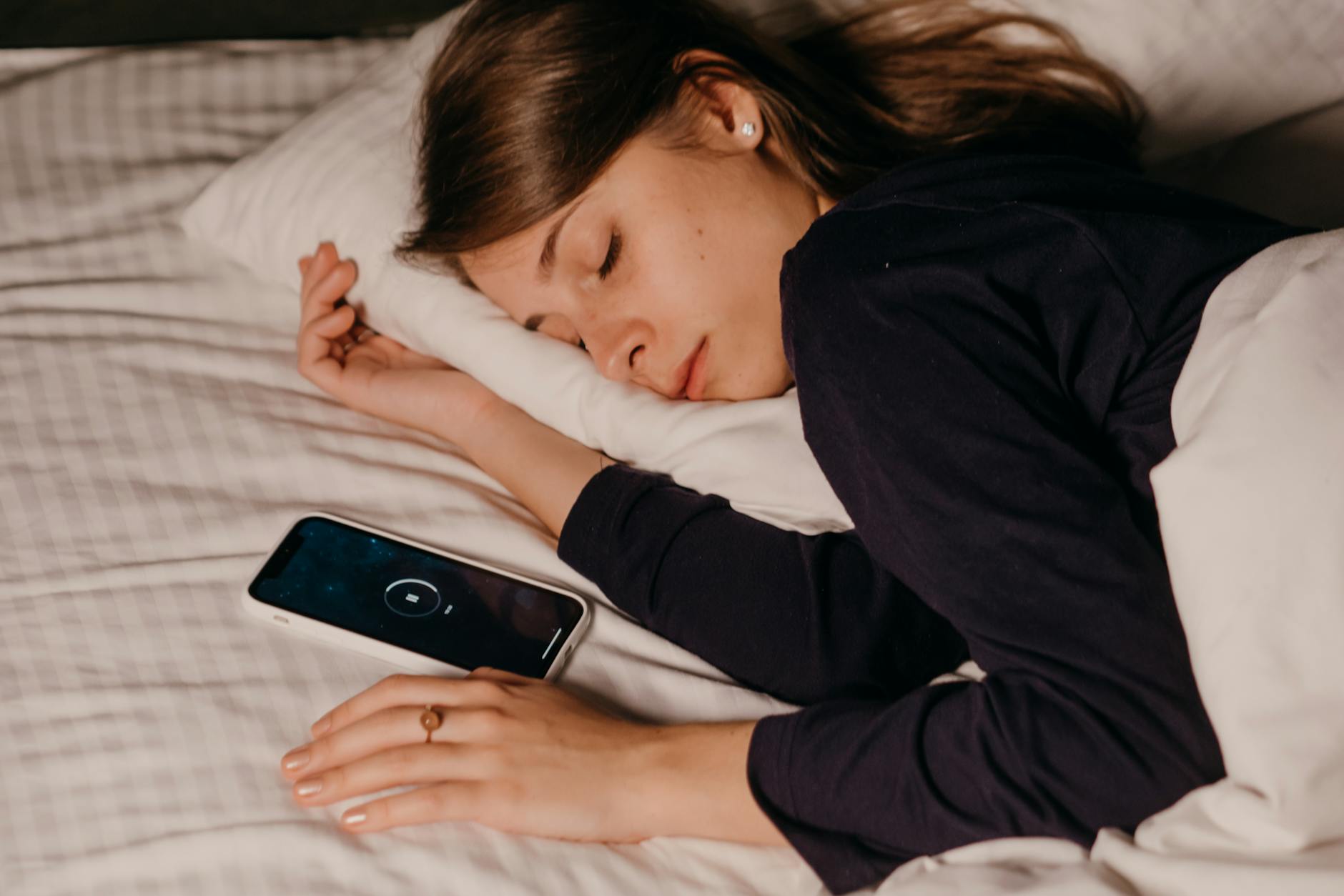
Better sleep habits can make a real difference to rest, recovery, and how well you cope with stress.
Sleep is one of the most practical foundations for health. When sleep is consistently short or disrupted, many people notice changes in concentration, mood, motivation, and how well they cope with stress. For further insights on managing stress, explore our Anxiety, PTSD & Stress services.
If you’ve been struggling, you’re not alone—and it doesn’t mean you’re “bad at sleeping”. Sleep is influenced by biology (your circadian rhythm), habits, environment, and your stress response. The good news is that small, consistent changes can make a meaningful difference over time.
Why sleep matters (more than just “feeling rested”)
Quality sleep supports multiple systems in the body and brain. Research links healthy sleep with:
- Attention, reaction time and decision-making (important for work performance and driving safety).
- Learning and memory consolidation—sleep helps the brain stabilise and integrate new information.
- Mood and emotional regulation—poor sleep can increase irritability and make stress feel harder to manage.
- Metabolic health and appetite regulation—short sleep is associated with changes in appetite hormones and food choices, which can affect weight over time (it’s not the only factor, but it can be a contributor). For weight management, our weight loss services might be of interest.
- Immune function and inflammation—sleep supports normal immune regulation; chronic sleep disruption is associated with altered immune markers.
Note: You may see strong claims online about sleep “preventing” specific diseases. The science is more nuanced. Sleep supports core biological processes (including immune regulation), but it isn’t a guarantee against any particular condition.
How much sleep do adults need?
Most healthy adults do best with 7–9 hours per night, although individual needs vary. Consistency matters too: a stable sleep–wake pattern helps anchor your circadian rhythm.
If you’re routinely under-sleeping during the week and “catching up” on weekends, you may still feel tired or out of sync. A gradual move toward a steadier routine tends to be more sustainable.
Common reasons sleep goes off track
If sleep has been difficult, one or more of these may be playing a role:
- Stress and rumination (the mind stays alert even when the body is tired)
- Irregular schedules (including shift work or frequent late nights)
- Caffeine too late in the day
- Alcohol close to bedtime (can make you feel sleepy initially but disrupt sleep later)
- Screens and bright light at night
- Using the bed for work/scrolling/TV, which can train the brain to associate bed with wakefulness
Action steps: practical sleep habits you can start this week
Below are evidence-informed “sleep hygiene” strategies. You don’t need to do them all—choose two or three that feel most achievable and build from there.
1) Set a consistent sleep–wake routine
- Pick a wake-up time you can keep most days (including weekends).
- If your bedtime varies, focus on stabilising wake time first—bedtime often follows.
- If you want more sleep, shift bedtime earlier by 15–30 minutes every few nights rather than making a big jump.
2) Get bright light early and keep evenings dimmer
Light is one of the strongest signals for your body clock. To explore how light affects sleep, check out our article on Stress Reduction with Hypnotherapy.
- Aim for morning outdoor light (even 10–20 minutes can help, depending on season and cloud cover).
- In the evening, reduce harsh overhead lighting and use warmer, dimmer lights where possible.
3) Manage screens in a realistic way
You don’t need “perfect” rules—just reduce the most sleep-disruptive parts.
- If you use devices at night, try a cut-down window (e.g., last 30–60 minutes before bed).
- Reduce brightness, use night mode, and avoid highly stimulating content (work emails, upsetting news, intense gaming).
- Consider swapping to something lower-arousal: music, light reading, a shower, stretching.
4) Be strategic with caffeine
Caffeine can stay in the body for hours.
- If sleep is an issue, trial a caffeine cut-off (often early afternoon) and monitor changes.
- Watch hidden sources (pre-workouts, cola, energy drinks, some teas).
5) Alcohol: understand the trade-off
Alcohol can make you feel drowsy, but research shows it can fragment sleep and reduce restorative sleep later in the night.
- If you drink, consider reducing quantity and avoiding alcohol close to bedtime.
- If alcohol is used to “switch off”, it may help to build a replacement wind-down routine (see below).
6) Make your bedroom a cue for sleep
A helpful rule of thumb is: bed is for sleep and intimacy—not work or worry. If pain keeps you awake at night, our pain treatment services might be useful.
- Keep the room cool, dark and quiet (or use a fan/white noise if helpful).
- If you’re awake for a long time, it can help to get out of bed briefly and do something calm in low light until sleepy again—this supports the bed–sleep association.
7) Create a 10–20 minute wind-down routine
A wind-down routine is less about “forcing sleep” and more about reducing pre-sleep arousal.
Options to try:
- Slow breathing (e.g., lengthen the exhale)
- Body scan or progressive muscle relaxation
- A short “worry list”: write concerns + one next step for tomorrow, then close the notebook
- A warm shower, gentle stretching, or quiet music
8) Use naps carefully
If you’re exhausted, naps can help—but long or late naps can reduce sleep drive.
- If you nap, keep it short (e.g., 10–20 minutes) and earlier in the day.
Where hypnotherapy and NLP may help with sleep
Sleep difficulties often involve a loop:
Stress → hyper-alert body/mind → poor sleep → more stress about sleep.
Evidence-based approaches like CBT for insomnia (CBT‑I) are commonly recommended as a first-line treatment for persistent insomnia. Hypnotherapy and NLP may be helpful as supportive tools for some people—particularly when stress, conditioned arousal, or unhelpful patterns around bedtime are maintaining the problem.
Hypnotherapy (what it is)
Clinical hypnotherapy typically involves guided attention, deep relaxation, and therapeutic suggestions aimed at supporting behaviour change and self-regulation.
In the context of sleep, hypnotherapy may assist some people to:
- reduce bedtime arousal and physical tension
- practise relaxation skills more effectively
- change anticipatory anxiety about sleep (e.g., “I’ll never sleep”)
- strengthen consistent sleep routines
NLP (how it can support sleep habits)
NLP (Neuro-Linguistic Programming) is a set of strategies that focuses on how attention, language, and learned patterns influence feelings and behaviour.
For sleep support, NLP-style coaching can focus on:
- identifying unhelpful pre-sleep thought loops and shifting attention
- building practical habit cues (routine design)
- improving self-talk and expectations around sleep
Important: If sleep issues are severe, persistent, or linked to trauma symptoms, a broader care plan may be needed. Hypnotherapy and NLP can be used alongside other evidence-based supports, depending on the individual.
When to seek additional support
Consider speaking with your GP or a qualified health professional if:
- sleep problems persist most nights for 3+ months
- you have significant daytime impairment (fatigue, mood changes, concentration issues)
- you snore loudly, wake gasping, or suspect sleep apnoea
- you experience distressing nightmares, panic symptoms at night, or trauma-related sleep disruption
- medications, alcohol, or substances may be affecting sleep
Getting the right assessment matters—because the best solution depends on the cause.
FAQs
How long does it take to improve sleep?
Some people notice changes within 1–2 weeks of consistent adjustments, but meaningful, lasting improvements often take several weeks. If you’ve had sleep issues for a long time, it’s reasonable to expect a gradual improvement rather than an overnight fix.
Is it bad to watch TV in bed?
It can be, particularly if it delays bedtime or trains the brain to associate bed with alertness. If TV helps you unwind, consider moving it outside the bedroom or setting a timer and transitioning to a lights-out routine.
Does alcohol help you sleep?
Alcohol may make you sleepy at first, but it commonly reduces sleep quality later in the night and can increase awakenings.
Can hypnotherapy help insomnia?
Some research suggests hypnotherapy may improve sleep outcomes for certain groups, often as an adjunct to behavioural strategies. It’s not a guaranteed fix, and it’s most effective when combined with practical sleep habit changes and, where indicated, evidence-based insomnia treatment.
What if I wake up at 3am and can’t get back to sleep?
Try to avoid clock-watching. Use a calm, low-light reset: slow breathing, a brief body scan, or quiet reading. If you’re awake for an extended period, it may help to get out of bed briefly and return when sleepy.
Support for better sleep in Melbourne (or online Australia-wide)
If stress, anxiety, or unhelpful patterns are getting in the way of good sleep, Make Changes NLP & Hypnotherapy offers supportive, practical help designed to complement healthy sleep habits. For more specific queries or to book a consultation, contact us.
You’re welcome to reach out to discuss what you’ve tried and what you’d like to change.