
Key Takeaways
- 2 in 3 Australian adults live with overweight or obesity (ABS National Health Survey, 2023).
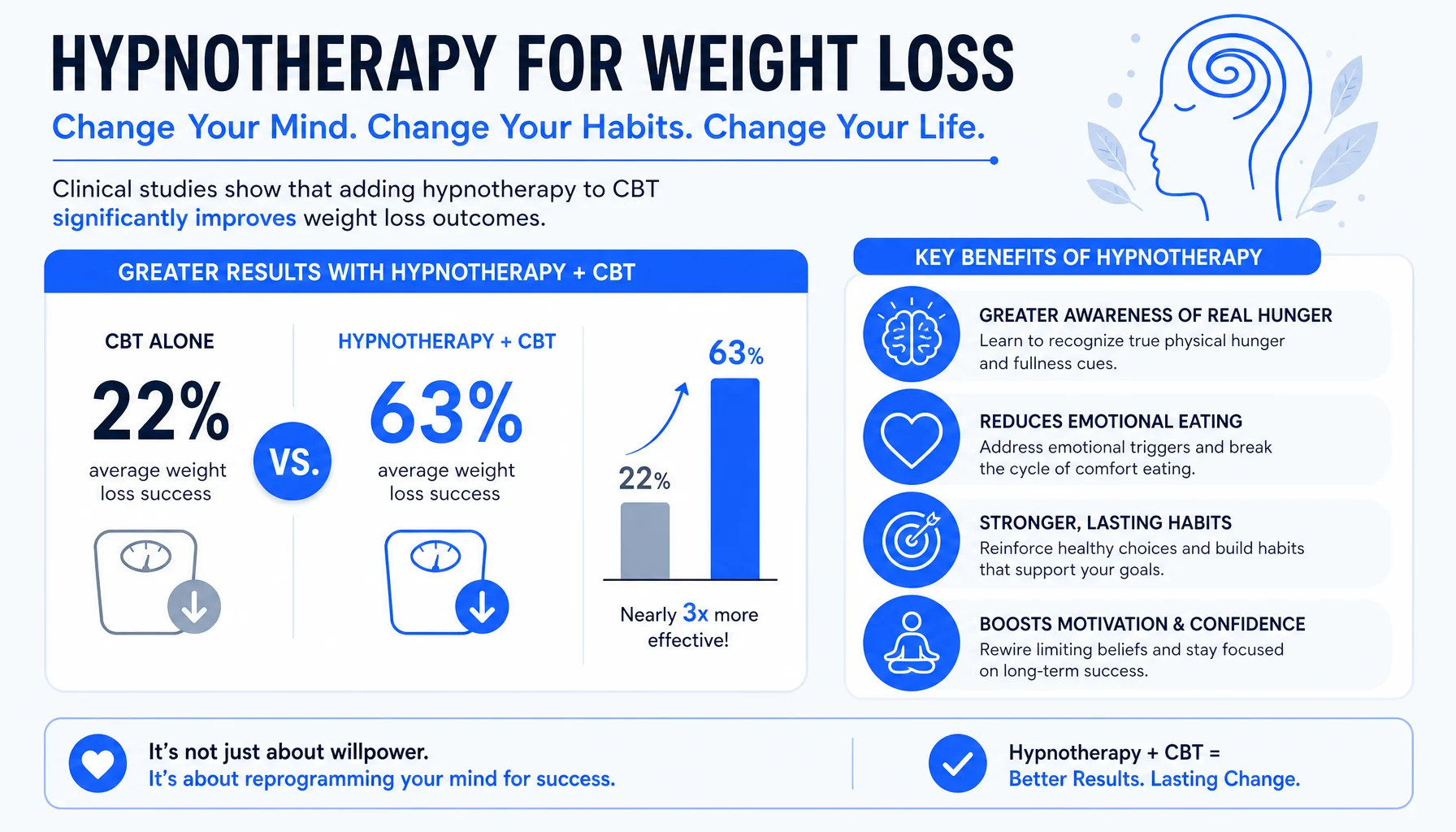
- Hypnosis as an adjunct to CBT showed greater improvement than at least 70% of CBT-alone participants (Kirsch et al., Journal of Consulting and Clinical Psychology, 1995).
- Hypnotherapy targets the subconscious patterns behind eating — not just willpower or meal plans.
- It works best alongside realistic nutrition, movement, and sleep, not as a replacement for them.
If you’re searching for hypnotherapy weight loss in Melbourne, you’ve probably already tried the diets, the apps, the meal plans. You know what you should do. The problem isn’t knowledge. It’s the gap between knowing and doing — especially when life gets busy, emotional, or exhausting.
At Make Changes NLP & Hypnotherapy, Wendy Gadsby takes a different approach. No shame. No pressure. Just practical work with the habits, cravings, and beliefs that drive eating behaviour — at the level where they actually live: the subconscious.
How It Works
Clinical hypnotherapy is not stage hypnosis. You’re not being controlled. You’re guided into a calm, focused state — similar to being absorbed in a good book or film — where your mind becomes more open to new associations and responses.
Your subconscious stores your automatic patterns: what you reach for when tired, how you respond to stress, the voice in your head that says “I’ve blown it, might as well keep going.” These patterns aren’t character flaws. They’re learned. And what’s learned can be updated.
Three things hypnotherapy can support:
- Awareness of real hunger vs. emotional hunger. Many people eat past fullness out of habit, distraction, or because food has become linked with comfort. Hypnosis helps you reconnect with your body’s actual signals.
- Reducing emotional eating. If food is your go-to for stress, boredom, loneliness, or reward, hypnotherapy helps build alternative responses — rest when you’re tired, connection when you’re lonely, boundaries when you’re overwhelmed.
- Shifting identity. Willpower runs on “I must not eat that.” Identity says “I’m someone who looks after myself.” That shift makes change feel less like a battle.
NLP (Neuro-Linguistic Programming) works alongside hypnosis as a practical toolset. It helps you change how cravings appear in your mind — making them smaller, quieter, less compelling — and mentally rehearse handling difficult situations before they happen.
What the Research Says
The evidence is clear that hypnosis can improve behaviour change outcomes. The landmark Kirsch meta-analysis (1995) found that adding hypnosis to CBT produced significantly better results than CBT alone. More recently, a review by Milling, Gover and Moriarty (2018, International Journal of Clinical and Experimental Hypnosis) found hypnotic interventions show benefit for weight management, particularly around self-control and motivation.
That said, no ethical practitioner claims hypnosis guarantees weight loss. Studies vary in quality. Results depend on you — your readiness, consistency, and the fit between you and your practitioner. What the research does support: personalised, behaviour-focused hypnotherapy can be an effective tool for people who are tired of dieting and ready for a different approach.
Stress and sleep matter too. Research links stress with increased preference for high-fat, high-sugar foods (Adam & Epel, Physiology and Behavior, 2007). Short sleep duration is associated with higher body weight (Patel & Hu, Obesity, 2008). Hypnotherapy can support better stress regulation and sleep routines — two things that directly affect eating behaviour.
What to Expect
Your first session begins with a real conversation — not a script. What triggers your eating? When did it start? What have you already tried? Two people can both say “I want to lose weight” and have completely different patterns underneath. Wendy tailors the approach to what’s actually happening.
During hypnosis, you sit comfortably. Eyes closed. You’re guided into deep relaxation. You hear everything. You’re in control the entire time. The suggestions are built around your specific goals — whether that’s pausing before emotional eating, feeling satisfied with less, or seeing yourself as someone who moves and eats well naturally.
Between sessions, you practise. Not perfectly. Just consistently. Notice triggers. Try different responses. Build a routine that works for your actual life, not a fantasy version of it.
Instead of relying on dieting rules or generic recordings, hypnotherapy addresses why you eat — the behavioural and emotional patterns that other approaches sometimes miss. If you know what to do but can’t seem to do it consistently, hypnotherapy may be a good fit. If you need urgent medical or eating disorder support, speak with a health professional first.
Frequently Asked Questions
Will I lose weight with hypnotherapy?
Hypnotherapy supports the inner conditions for weight loss — motivation, emotional regulation, habit change. It doesn’t guarantee a number on the scale. Your outcome depends on many factors, including health, lifestyle, and consistency.
What does hypnosis feel like?
Like deep relaxation with focused attention. Most people describe it as similar to daydreaming. You’re not “out of it” — you’re calm, aware, and receptive.
How is NLP different from hypnotherapy?
NLP is more conversational and practical — it changes how you mentally represent cravings, habits, and goals. Hypnotherapy uses a relaxed state to reinforce those changes. They work well together.
About the Author
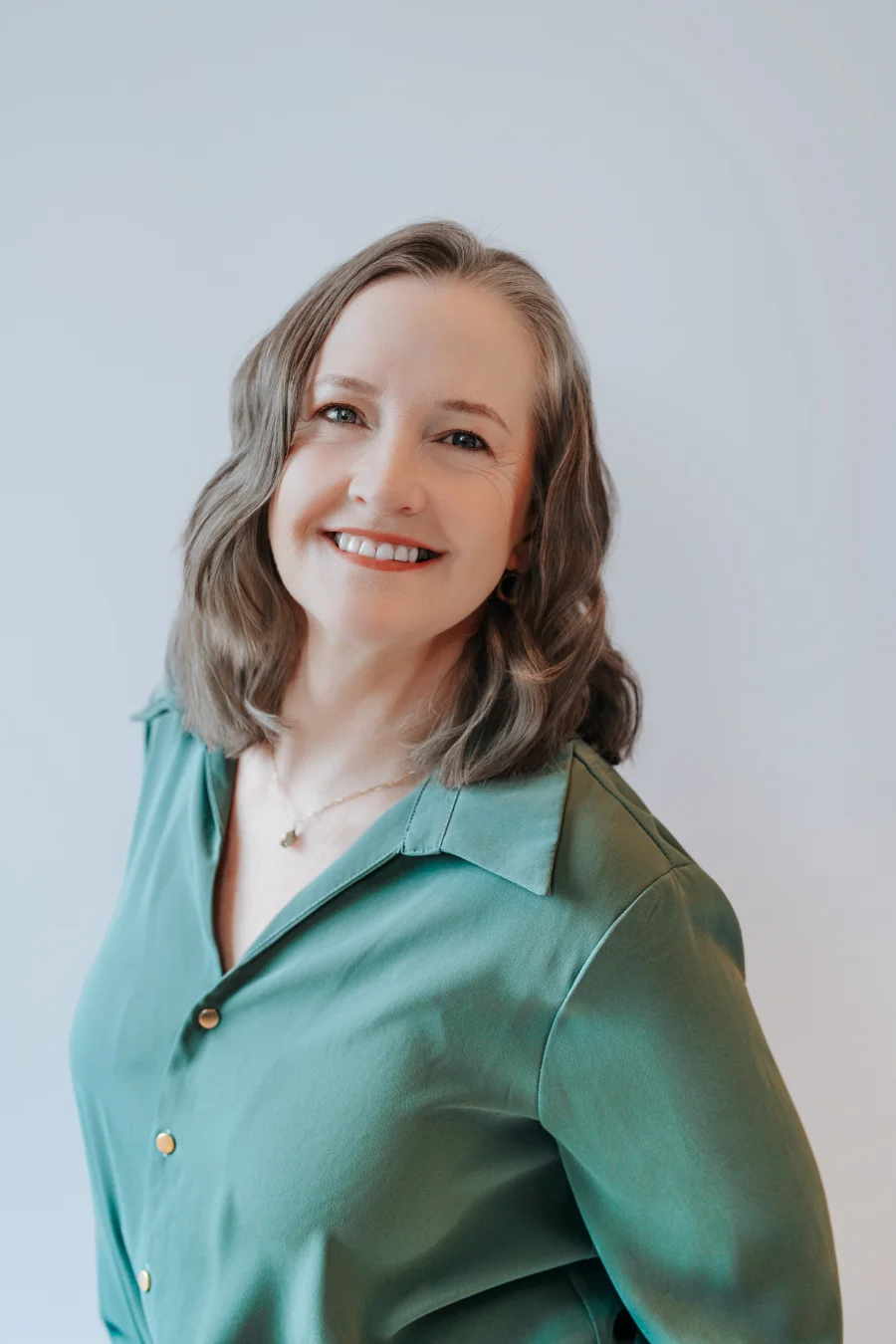
Wendy Gadsby is the founder of Make Changes NLP & Hypnotherapy in Melbourne. She’s a Certified Hypnotherapist, NLP Practitioner, and NLP Master Practitioner with over 15 years of experience and more than 5,000 clients supported. Her approach is practical, direct, and grounded in real behaviour change — not buzzwords.
Medical Disclaimer
This article is for general education only. It does not diagnose, treat, or prevent any medical condition. Hypnotherapy supports behaviour change but is not a substitute for advice from a qualified health professional. If you have a medical condition, eating disorder history, or complex health needs, speak with an appropriate health professional before starting any weight loss approach. Book a free consultation to discuss whether Make Changes is right for you.