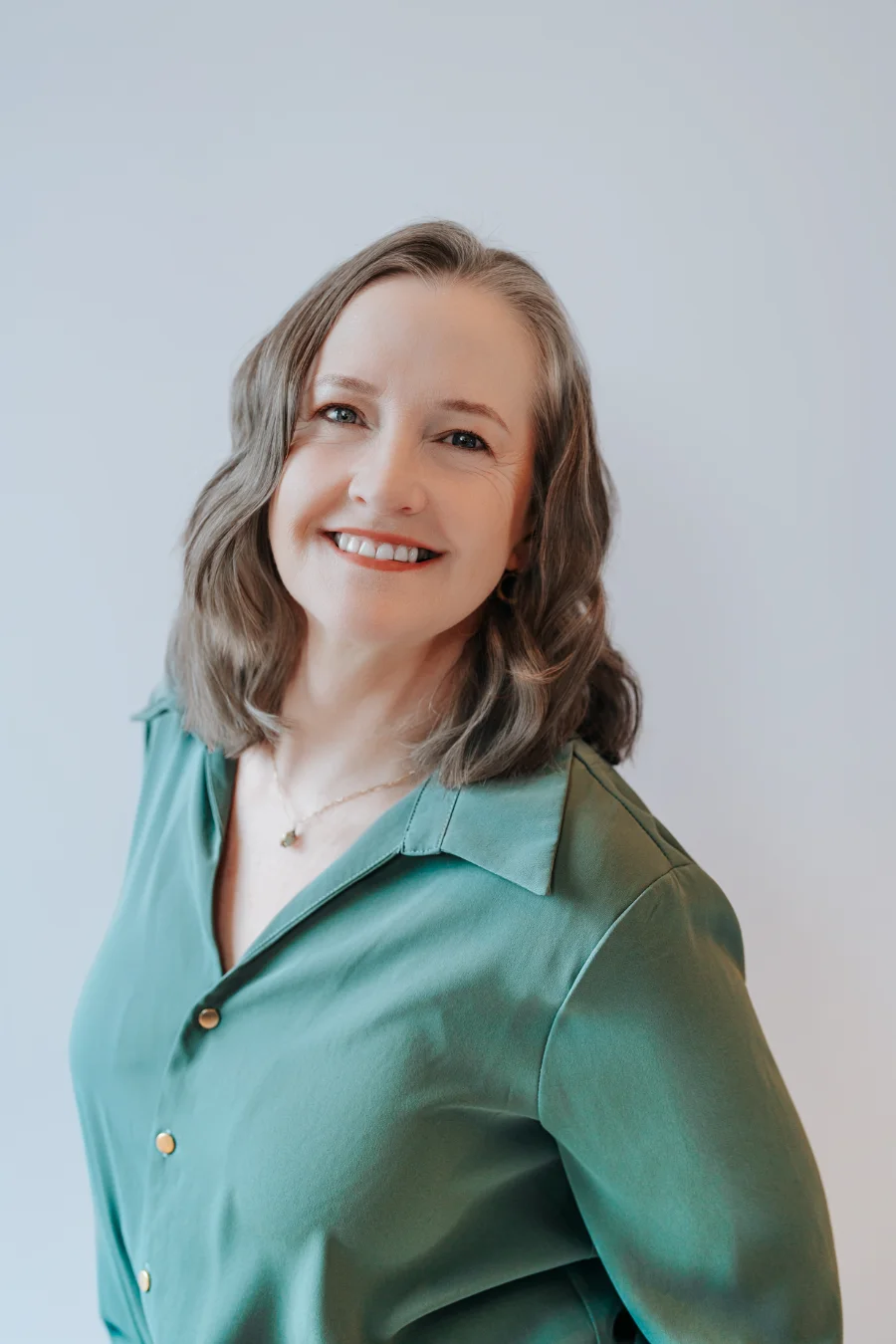

You can know what you want to change and still find yourself repeating the same pattern. Perhaps you mean to stop smoking, eat differently or respond more calmly, yet the familiar reaction takes over at just the wrong moment. Wendy Gadsby’s work at Make Changes begins with understanding that gap between intention and action.
This is an introduction to Wendy’s approach: one-to-one support, practical goals and tools you can continue using in everyday life. For an explanation of the research behind hypnosis itself, see our separate evidence-based hypnotherapy guide.
Why “Make Changes” describes the work
In the introduction made to celebrate five years of Make Changes, Wendy described her purpose in these words:
“I help people just like you to get unstuck out of the old self sabotage patterns and loops”.
That description speaks to a familiar experience: you have a reason to change, but an old habit, worry or expectation keeps pulling you back. The starting point is to look at what happens in those moments and work towards a response that supports the life you want.
“Self sabotage” here describes how a pattern can feel; it is not a judgement about you. A response that now gets in your way may once have offered relief, comfort or a sense of safety. Understanding its purpose can help you find a more useful alternative.
Start with your version of progress
“I want to feel in control of my choices after work,” “I would like to attend that event,” or “I want to stop reaching for a cigarette on every break” is a useful starting point. Your goal should sound like your life, not somebody else’s idea of success.
Working together on the pattern
Wendy’s original introduction emphasised working together one to one. That matters because two people with the same headline goal can have very different reasons for feeling stuck. One smoker may associate cigarettes with taking a break; another may reach for them during conflict. A useful plan should recognise the actual cue and need.
At Make Changes, hypnotherapy and NLP are used to explore habits, thoughts and responses in relation to your goal. In hypnosis, focused attention, imagery and agreed suggestions can help you rehearse a different response. You can ask questions about the techniques, discuss what feels comfortable and agree on the purpose of the work.
Rather than making an identical promise for everybody, the conversation should identify what fits your circumstances, which parts you can practise and whether another kind of support is also needed.
What would you like to make easier?
Leaving smoking behind
Work on the routines, expectations and emotional associations around smoking through our quit-smoking support.
Following through on healthy habits
Explore the situations that make planned choices difficult with our weight-management support.
Responding more calmly
Look at worry, overthinking and familiar reactions with our anxiety and stress support.
Feeling more confident
Discuss a fear, situation or other goal through our other hypnotherapy services.
These are starting points for a discussion. A trauma-related difficulty, ongoing health condition or severe distress may require specialist assessment and coordinated care. We can talk about whether the proposed work is suitable rather than treating every issue as a simple habit.
Tools you can take into daily life
Another important part of Wendy’s original introduction was teaching strategies that clients could continue using for themselves. Change is easier to carry forward when you have something practical to do in the situation that used to catch you out.
- Recognise your cue. Notice when the old response starts: a time of day, feeling, place or interaction.
- Practise the response you want. Choose something specific enough to rehearse and repeat.
- Bring it into one real situation. Start with a manageable moment rather than expecting a complete transformation overnight.
- Learn from the result. Notice what helped, what got in the way and what needs adjusting.
For example, a person who wants a calmer evening might practise finishing tomorrow’s plan before dinner and recognising that further checking is unnecessary. Someone changing an eating habit might practise noticing the difference between hunger and wanting a break. The useful tool is the one that matches the pattern.
A conversation before a commitment
A free consultation lets you explain what you want help with and ask how the approach works. You might ask what happens in a session, what home practice could involve, how progress is reviewed and whether your goal is within the practitioner’s scope.
Wendy’s introduction described practising from Melbourne’s western suburbs and working online as well as face to face. For current arrangements, use the contact and location details below rather than relying on historical details in an older article.
You do not need to have solved the problem before making contact. Begin with the change you want and the moment you find difficult. We can then discuss whether Make Changes is a useful next step for you.